
Table of Contents
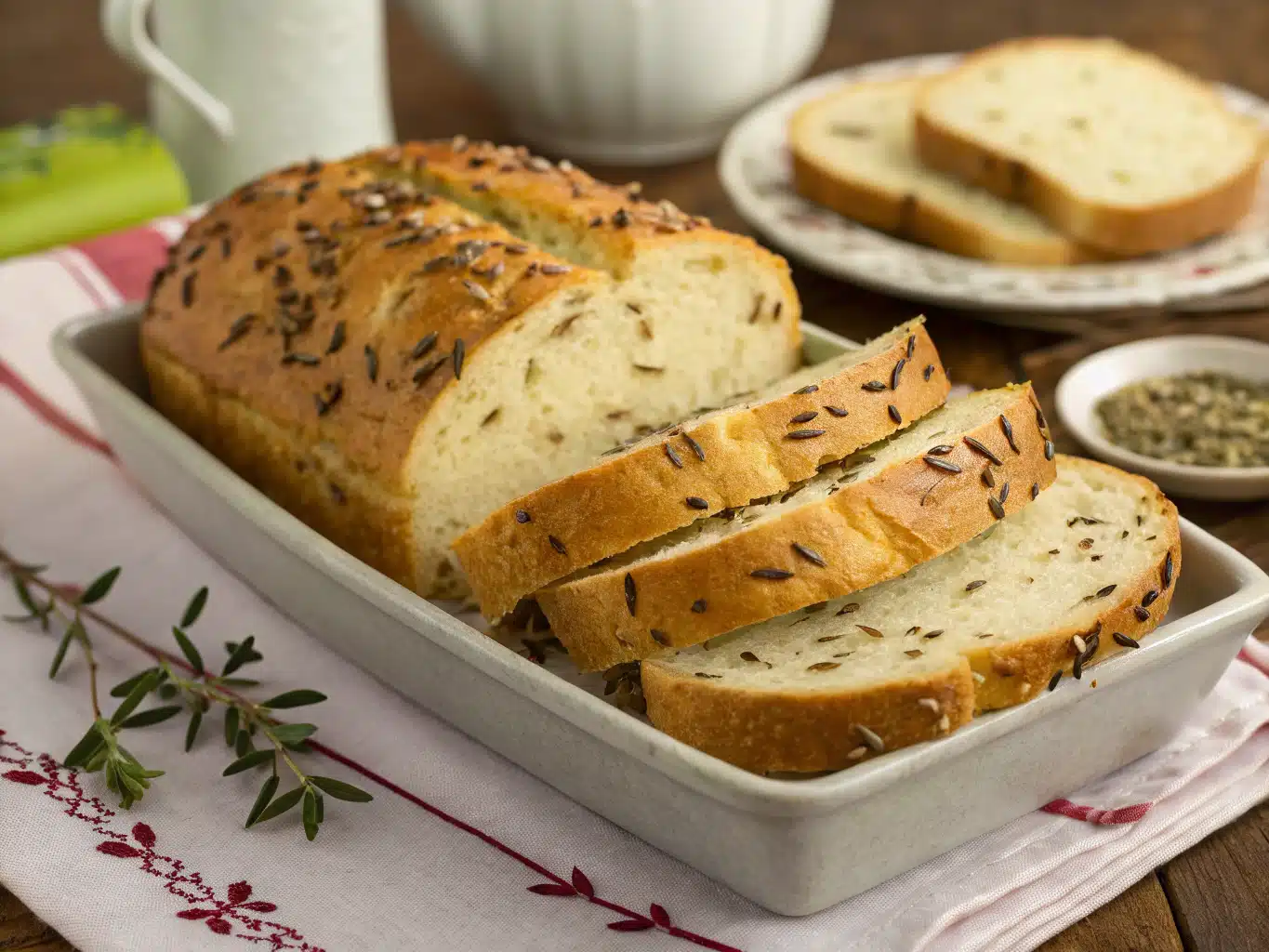
There’s nothing quite like the aroma of freshly baked bread wafting through the house—especially when that bread is infused with the earthy, slightly sweet flavor of caraway. In my kitchen, caraway seed bread is more than just a recipe; it’s a nod to my roots and a staple in my plant-based journey. We’re diving deep into this iconic loaf: its history, how to make it, the best ways to enjoy it, and why caraway seeds are such unsung heroes in the bread world.
In this article, you’ll uncover the story behind caraway seed bread, experience a detailed step-by-step recipe, and gain insight into this fragrant seed’s health benefits and culinary roles. By the end, you’ll feel fully equipped to bake your own loaf, tweak it to your taste, and understand its place in cultures across the world.
A Flavorful Heritage: My Journey with Caraway Seed Bread
Why Caraway Seed Bread is Close to My Heart
I remember the first time I tasted caraway seed bread. It was at a tiny bakery tucked away in a Portland alley, the kind of place where every loaf feels like a personal gift. I took one bite and was instantly reminded of my mom’s rustic baking experiments in our Northern California kitchen. Only this time, the flavor was different—warm, aromatic, slightly lemony. That’s when I discovered the magic of caraway.
Caraway seeds have a bold presence, but surprisingly, they never overpower. Instead, they enhance everything around them. The first time I recreated caraway seed bread at home, it wasn’t just a success—it became a weekend tradition. Every loaf feels grounding. Whether I made it with whole grains or a soft all-purpose blend, it always brought me back to that bakery bench under Oregon’s grey skies.
Making caraway seed bread helped me merge my culinary creativity with my plant-based philosophy. There’s just something comforting about combining ancient flavors with modern lifestyle choices.
The Cultural Roots of Caraway in Bread
Caraway seeds have a long-standing role in many European cuisines—particularly in German, Austrian, and Eastern European bread-making traditions. You’ll find caraway seed bread closely tied to old-style rye loaves, but it’s so versatile it fits beautifully into many bread styles.
From a nutritional standpoint, caraway seeds are tiny powerhouses packed with fiber, antioxidants, and digestive benefits. That gives this bread more than just flavor—it’s a wholesome addition to everyday meals. My readers often first discover caraway seeds through caraway seed cookies, which are sweet and subtle, before adding them into bread for a savory twist.
Especially when combined with rye or spelt flours, caraway seeds bring out a depth of complexity that makes homemade bread truly unforgettable. Whether toasted or fresh, the seed’s warm notes shine through every bite, pairing beautifully with plant-based spreads, roasted vegetables, or a steaming bowl of caraway seed soup.
Bread baking doesn’t just feed you—it connects you to culture, memory, and community. Caraway transforms that experience into something timeless.
Plant-Based Caraway Seed Bread: The Craft Behind the Crust
Ingredients List: Wholesome, Simple, Flavor-Packed
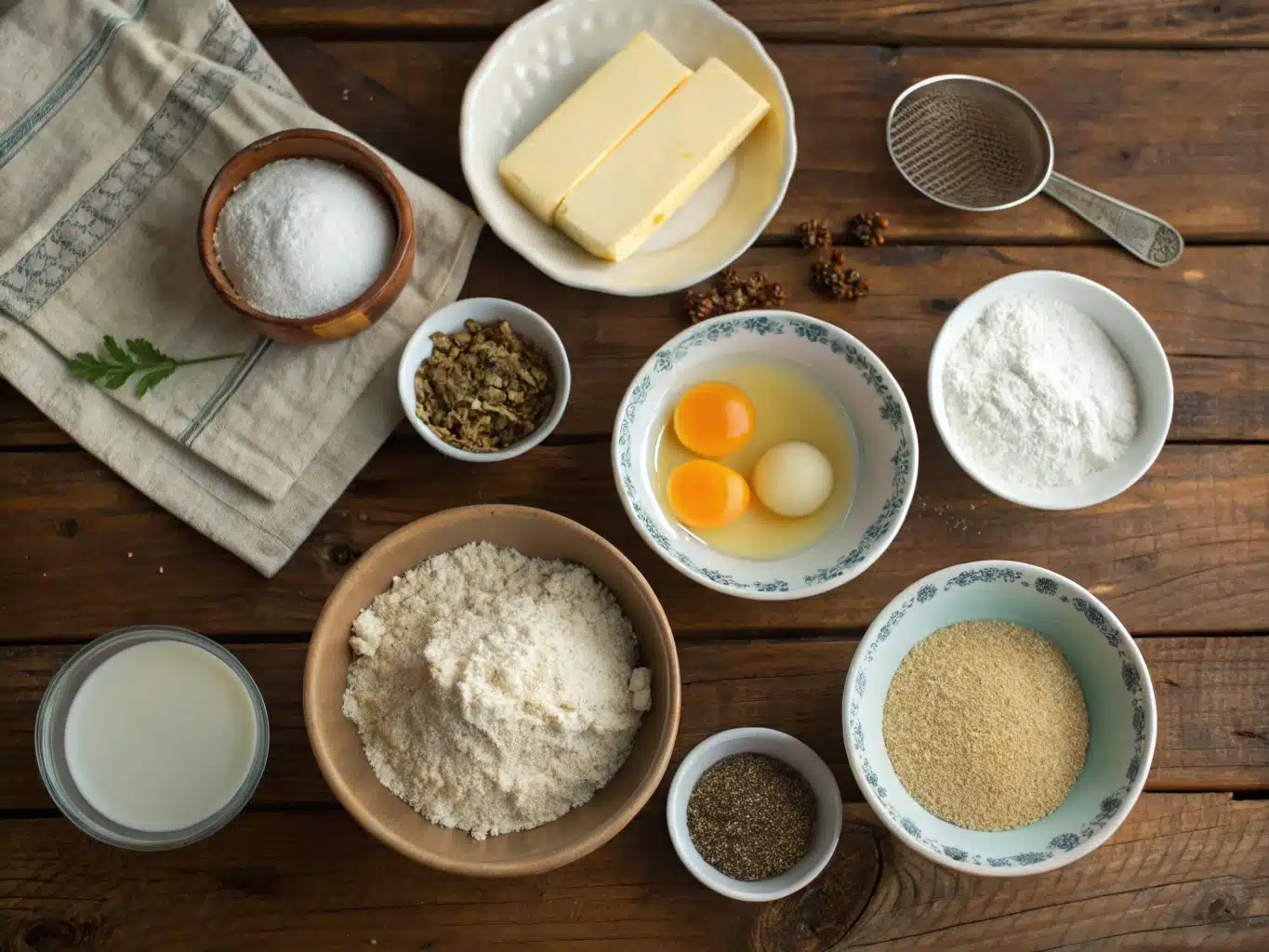
When it comes to baking caraway seed bread, choosing the right ingredients is key. I like to keep it minimal, so the caraway flavor really gets to shine.
| Ingredient | Notes or Substitutes |
|---|---|
| 2 cups bread flour | Sub with whole wheat for more fiber |
| 1 cup rye flour | Gives authenticity and depth |
| 1 ½ tbsp caraway seeds | Toasted for enhanced aroma |
| 1 tbsp maple syrup | Acts as a natural sweetener (can omit) |
| 1 packet (2 ¼ tsp) active dry yeast | Ensure it’s fresh |
| 1 tsp sea salt | Balances the flavor |
| 1 tbsp olive oil | Adds moisture |
| ¾ cup warm water | Lukewarm (not hot) |
Timing Matters: Quick to Prep, Worth the Wait
Caraway seed bread takes about 1 hour and 45 minutes from start to finish—quicker than most artisan breads.
- Prep Time: 15 minutes
- Rise Time: 1 hour
- Bake Time: 30 minutes
- Total: About 1 hour 45 minutes
That’s about 20% faster than standard yeasted loaves, thanks to the relatively short rise time. If you’re impatient like me when it comes to homemade bread, that’s a welcome bonus.
Step-by-Step Instructions: Every Bite Starts With a Great Process
Here’s how I make this crusty, seeded loaf that’s perfect for sandwiching grilled eggplant or dunking into caraway seed cake batter on a whim:
- Combine the warm water, maple syrup, and yeast in a large bowl. Let it bloom for 5 minutes until foamy.
- Mix in both flours, salt, and olive oil. Stir with a sturdy wooden spoon until it forms a shaggy dough.
- Add caraway seeds and knead on a lightly floured surface for 8–10 minutes, until smooth and elastic.
- Grease a bowl, place the dough in, and cover with a towel. Let it rise in a warm spot for about an hour or until doubled in size.
- Punch down the dough, shape it into a round loaf, and place it on a prepared baking sheet or Dutch oven.
- Let it rest for 15 more minutes while you preheat your oven to 400°F.
- Bake for 30 minutes or until golden brown and hollow-sounding when tapped.
- Cool on a wire rack for at least 30 minutes before slicing. (Hardest part—I know.)
Why Caraway Seed Bread Deserves a Place at Your Table
Taste Meets Nutrition: How It Benefits You
Caraway seed bread isn’t just delicious—it’s smart food. Caraway seeds are linked to digestion support, antioxidant protection, and blood sugar regulation, according to Oregon State University’s Linus Pauling Institute.
Their fiber content promotes gut health, while the essential oils offer anti-inflammatory properties. When baked into a whole grain loaf, these seeds support long-term wellness with every bite.
In plant-based kitchens, ingredients that nourish as much as they satisfy are always celebrated. That’s why this bread is a regular in my weekly rotation.
Pairing Ideas: Layers of Flavor
Because of its savory backbone, caraway seed bread pairs beautifully with almost anything plant-based. I love it toasted with smashed avocado and pink salt, or as a base for lentil sloppy joes.
For something comforting and simple, smear it with garlic mashed chickpeas and a drizzle of olive oil. During colder months, it’s my go-to side for every soup, especially the two-seed blend I use in my caraway seed soup recipe.
Want a sweet take? Surprisingly, caraway’s subtle sweetness also plays nicely with fig jam and cashew cream cheese.
Exploring Traditions and Common Questions Around Caraway Seed Bread
Caraway Seeds in Bread: Why They Matter
Caraway seeds are added to rye bread and other loaves for more than just flavor—they’re cultural carriers. In Eastern Europe, the use of caraway in bread symbolizes nourishment that’s accessible and flavorful, even in lean seasons.
Their flavor grows bolder during baking, with a toasted, nutty edge that blends into the dough without becoming overpowering. That’s why they’re often the single seasoning in traditional rye.
Even if you’re not using rye flour, adding this seed to bread instantly adds personality—and a comforting sense of tradition.
Do You Toast Caraway Seeds Before Adding?
Many bakers do, and I’m one of them. Toasting your caraway seeds in a dry skillet for just 1–2 minutes makes a major difference. The natural oils rise to the surface and intensify the bread’s aroma significantly.
But it’s optional. Un-toasted seeds work fine, though they’re slightly milder. Toast if time allows—your nose will thank you.
FAQs
Why are caraway seeds added to rye bread?
Caraway seeds complement rye’s earthy flavor while aiding digestive ease. They’re traditional because they balance rye’s density and give the bread a distinct, hearty aroma.
How do you bake bread with caraway seeds?
Simply fold the seeds into your dough after mixing. You can toast them first for stronger flavor, and sometimes sprinkle extra on top just before baking.
Do you need to toast caraway seeds for bread?
No, it’s optional. Toasting enhances their flavor, but they work well raw, too—especially if you prefer subtler taste.
Can I omit caraway seeds in rye bread?
You can, but the bread will lose its signature taste. Substituting with fennel or dill provides a similar herbal note, though nothing quite mimics caraway exactly.
Conclusion
Caraway seed bread is more than just a delicious, rustic loaf—it’s a culmination of heritage, plant-based creativity, and nourishment. From its nutritional profile to the bold character of caraway seeds, this bread invites us to bake with intention.
Whether you’re experimenting with caraway seed desserts or building savory dishes around it, this versatile recipe ties together tradition and innovation. Try it once, and you’ll understand why it deserves a permanent spot at your table.
Use caraway seed bread as your culinary compass, and your homemade meals will never feel bland again.
Print
Caraway Seed Bread: A Flavorful Slice of Tradition
- Total Time: 1 hour 45 minutes
- Yield: 1 loaf 1x
Description
A rustic, plant-based bread infused with aromatic caraway seeds, drawing on European traditions with a wholesome twist.
Ingredients
2 cups bread flour
1 cup rye flour
1 ½ tbsp caraway seeds (toasted for aroma)
1 tbsp maple syrup
1 packet (2 ¼ tsp) active dry yeast
1 tsp sea salt
1 tbsp olive oil
¾ cup warm water
Instructions
1. Combine the warm water, maple syrup, and yeast in a large bowl. Let it bloom for 5 minutes until foamy.
2. Mix in both flours, salt, and olive oil. Stir until a shaggy dough forms.
3. Add caraway seeds and knead on a floured surface for 8–10 minutes.
4. Grease a bowl, place dough inside, and cover. Let it rise in a warm spot for 1 hour.
5. Punch down dough, shape into a loaf, and place on a baking sheet or in a Dutch oven.
6. Let it rest for 15 minutes while preheating oven to 400°F.
7. Bake for 30 minutes or until golden and hollow-sounding.
8. Cool on a wire rack for at least 30 minutes before slicing.
Notes
Toasting caraway seeds boosts their aroma but is optional.
Pairs well with plant-based spreads, soups, and even sweet toppings like fig jam.
Try substituting some or all of the bread flour with whole wheat for extra fiber.
- Prep Time: 15 minutes
- Cook Time: 30 minutes
- Category: Bread
- Method: Baking
- Cuisine: Eastern European
Nutrition
- Serving Size: 1 slice
- Calories: 120
- Sugar: 1g
- Sodium: 180mg
- Fat: 2g
- Saturated Fat: 0.3g
- Unsaturated Fat: 1.7g
- Trans Fat: 0g
- Carbohydrates: 22g
- Fiber: 3g
- Protein: 4g
- Cholesterol: 0mg
Keywords: caraway seed bread, plant-based bread, rye bread