
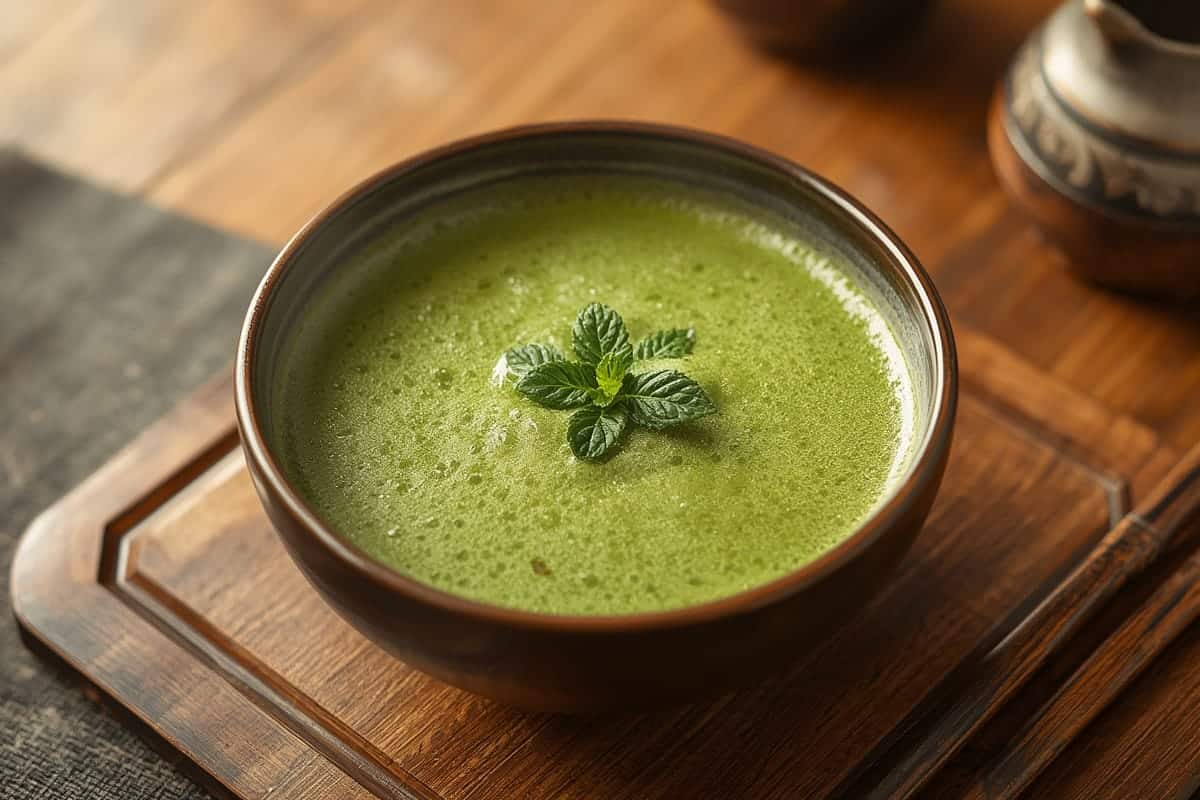

Matcha isn’t just a trend—it’s a timeless treasure rooted in centuries of tradition. As a plant-based chef living in the lush, rainy beauty of Portland, I’ve come to rely on matcha as more than just a morning beverage. It’s a ritual, an energy booster, and a culinary secret weapon all in one. In this article, we’ll explore how to find the BEST MATCHA TEA available in the U.S., what makes great matcha shine, and how to use it in daily life beyond the average latte. We’ll also guide you through its types, qualities, preparation methods, and even how to store it.
Whether you’re a long-time matcha lover or brand-new to this green powerhouse, I’ll show you how to pick the right brand, spot high-quality powder, and even whip up your own beautiful matcha creations. Let’s dive in—it’s time to find your matcha match.
Why Matcha Matters: A Personal Plant-Powered Journey
When I Swapped Coffee for Matcha and Never Looked Back
Years ago, when I first ditched dairy and meat, matcha was just entering my radar. I had stumbled across a tiny tea shop while exploring Alberta Street in Portland. The barista handed me a creamy, velvety green drink that smelled grassy but tasted like spring. That was my first sip of what would become my daily moment of balance.
It wasn’t immediate love—it was curiosity. I was drawn to the clean energy matcha provided. No coffee jitters, no crash, just calm focus. At first, I thought it might be placebo, but days turned to weeks, and suddenly I was replacing espresso in recipes with matcha powder. My vegan matcha chia parfait became a fan favorite at brunch.
Everyone asks me: what is the BEST MATCHA TEA I swear by? The answer depends on what you’re looking for—drink experience, culinary use, or budget. But choosing the right one starts with understanding what you’re sipping.
Matcha Isn’t Just a Trend—It’s a Ritual
Matcha’s unique blend of antioxidants, notably EGCG, caught my attention during those early days of discovery. As someone passionate about using food as fuel, I found it incredibly convenient that matcha also supports metabolism and cognitive clarity. Rituals are integral to a chef’s life, and matcha’s careful preparation aligns beautifully with mindful living.
The BEST MATCHA TEA, for me, connects flavor, color, and feeling. It’s not bitter; it’s vibrant and smooth, packed with umami and a bit of natural sweetness. I’d go as far as to say that introducing my culinary students at the Vegan Culinary Institute to high-quality matcha changed their entire view on green tea.
Now, I can’t imagine beginning my day without it—be it a tall oat matcha or whisked ceremonial grade during meditation.
Make the Ultimate Matcha Latte: From Powder to Perfect Sip
Ingredients List: Simple, Satisfying, and Substitutable
Let’s dive into the making of the perfect matcha latte—the kind that’s velvety, mildly sweet, and good for your soul. Here’s what you’ll need:
- 1 tsp of high-grade ceremonial matcha (look for Japanese origin)
- 2 oz of hot, but not boiling water (170°F is ideal)
- 6–8 oz plant-based milk (oat milk foams beautifully!)
- 1–2 tsp maple syrup or agave syrup (not sugar, for better blending)
- Optional: pinch of cinnamon or vanilla (alcohol-free)
If you’re out of ceremonial grade, you can swap in culinary grade matcha for smoothies or baking. But for sipping? Ceremonial is king.
For electric frother fans, oat or coconut milk offers the creamiest textures. Almond milk is great too but doesn’t foam as well. Pro tip: sift your matcha before whisking to avoid clumps.
Timing: Quick to Make, Perfect Every Time
This matcha latte is surprisingly fast—far quicker than brewing coffee or waiting in line at a café. Below’s a breakdown:
| Step | Time Required |
|---|---|
| Sift & whisk matcha | 2 minutes |
| Heat & froth milk | 3 minutes |
| Assemble drink | 1 minute |
So yes—in just 6 minutes, you can be sipping the BEST MATCHA TEA latte of your life. Faster than a round-trip café run and home-made to your wellness specs.
Step-by-Step Instructions: Whisk Like a Ritual
- Sift your matcha powder into a small bowl to eliminate lumps.
- Heat water to about 170°F (never boiling—it ruins the flavor).
- Add water and whisk with a bamboo chasen in a zigzag “M” motion until frothy.
- Warm your plant milk on the stove or froth it using an electric frother.
- Sweeten your matcha tea with maple syrup or agave, if desired.
- Pour your frothy milk into the matcha concentrate. Stir gently.
- Sprinkle a touch of optional cinnamon or finish with ceremonial flair.
And that’s it. You’ve created a homemade cup of the BEST MATCHA TEA that energizes, soothes, and elevates.
Types of Matcha & What Makes a Good One
Understanding Ceremonial vs Culinary Grades
Choosing the BEST MATCHA TEA starts with knowing the difference between ceremonial and culinary matcha. Ceremonial grade is made from the youngest tea leaves, giving it a vibrant green color, soft umami taste, and smooth texture.
Culinary matcha, meanwhile, is harvested later, so it’s slightly bitter and best for blending in recipes. If your matcha is dull green and smells grassy, it might be lower grade.
Visit our plant-based desserts archive to see how culinary matcha shines in treats like no-bake matcha bars and matcha brownies.
Some of the best ceremonial matcha brands I’ve tried include:
- Ippodo Tea (Kyoto-based)
- Matchaeologist
- Encha Organic
Don’t trust a brand that doesn’t list its origin or uses vague color-enhancing terms like “vibrant blend.”
What Does High-Quality Matcha Really Look Like?
It took me months to decode matcha labels. Here’s what I look for now:
- Bright, almost lime-green powder
- Fine as talcum, with zero clumps
- Lightly sweet, umami-rich, not bitter
- Shade-grown (increases chlorophyll and L-theanine)
If you’re making your first purchase online, check storage tips. The BEST MATCHA TEA degrades quickly if not stored correctly in airtight, opaque containers away from light. I learned this the hard way.
I also recommend reading the Matcha Nutrition Facts from the USDA for insight into how L-theanine provides calm focus.
To spot true quality, trust your senses—vivid green, smooth texture, and a rich, slightly nutty aroma never lie.
Bonus Round: How to Use Matcha Beyond a Latte
Make Meals Glow with Matcha
Matcha’s culinary use is far more than flavor—it’s a color enhancer, antioxidant booster, and natural energy source. I’ve added it to matcha overnight oats for a glowing green breakfast and used it in tahini dressings on warm grain bowls.
Culinary grade works best for these applications, so save the ceremonial variety for sipping sessions. But my favorite green twist? Matcha-tahini truffles rolled in sesame seeds.
Here’s a fun swap I love: make matcha pancakes using your usual mix, but stir in a teaspoon of culinary matcha. You’ll get earthy sweetness with antioxidant perks.
Proper Storage: Keep Your Green Gold Fresh
Matcha oxidizes rapidly when exposed to air, light, and heat—making proper storage vital. Always transfer matcha into a resealable, opaque tin or UV-blocking glass jars after opening. The fridge is your friend here, but in a sealed container to avoid moisture. Never store it near spices or coffee—they’ll cross-contaminate the flavor.
Here’s the simple rule: cool, dark, dry. Use a spoon that’s always dry to avoid moisture contamination. I store my open matcha in an amber jar and keep a small amount in a pantry-friendly tin for quick morning use.
Matcha doesn’t last forever. For peak flavor and benefits, use within 60 days of opening.
FAQ: Your Matcha Questions Answered
Q: What is the best matcha tea brand?
A: Brands like Ippodo, Matchaeologist, and Encha Organic consistently provide high-quality ceremonial-grade matcha. Look for Japanese origin, vibrant green color, and minimal processing.
Q: How do you know if matcha is high quality?
A: Check for bright neon-green color, ultra-fine powder, a naturally sweet and umami-rich taste, and origin from shade-grown Japanese tea leaves. Avoid dull or brownish tints.
Q: Is ceremonial matcha better than culinary?
A: They serve different purposes. Ceremonial matcha is ideal for drinking, offering better taste and texture. Culinary matcha works best in cooking and baking where bold flavor can shine.
Q: Where should matcha tea be stored?
A: Keep it in an airtight, opaque container inside your fridge or a cool, dark pantry. Protect it from heat, air, and light to preserve freshness.
Conclusion: Sip Smarter with the BEST MATCHA TEA
Choosing the BEST MATCHA TEA is more than a flavor quest—it’s about quality, preparation, and intention. From understanding ceremonial vs culinary grades to crafting your own morning latte or using matcha in unexpected recipes, every scoop should reflect vibrant health and balanced energy.
As someone whose kitchen is as plant-based as it gets, I can say that matcha is a non-negotiable part of my wellness ritual. Paired with proper storage and smart ingredient choices, your matcha can offer calm, focus, and vitality every single day.
Ready to stir something green into your routine? Don’t wait to try my antioxidant-rich matcha muffins or experiment with your version of the iconic matcha latte. Because the BEST MATCHA TEA isn’t just found—it’s something you make your own.